


Let’s talk about Corfu Hidden Gems. There is a side of Corfu that many visitors never discover. Beyond the busy resorts and familiar beach destinations, the island has old agricultural villages, traces of forgotten industries, quiet natural habitats, and small historical sites that reveal a different part of its identity.
These places are not necessarily inaccessible or completely unknown. Some are visited by locals and independent travelers, while others receive little attention compared with Corfu’s major attractions. They share a more intimate connection with the island’s landscape, history and everyday life.
If you would rather explore traditional settlements, walk through peaceful countryside or discover unusual corners of Corfu Town, the following places offer a different way to experience the island.
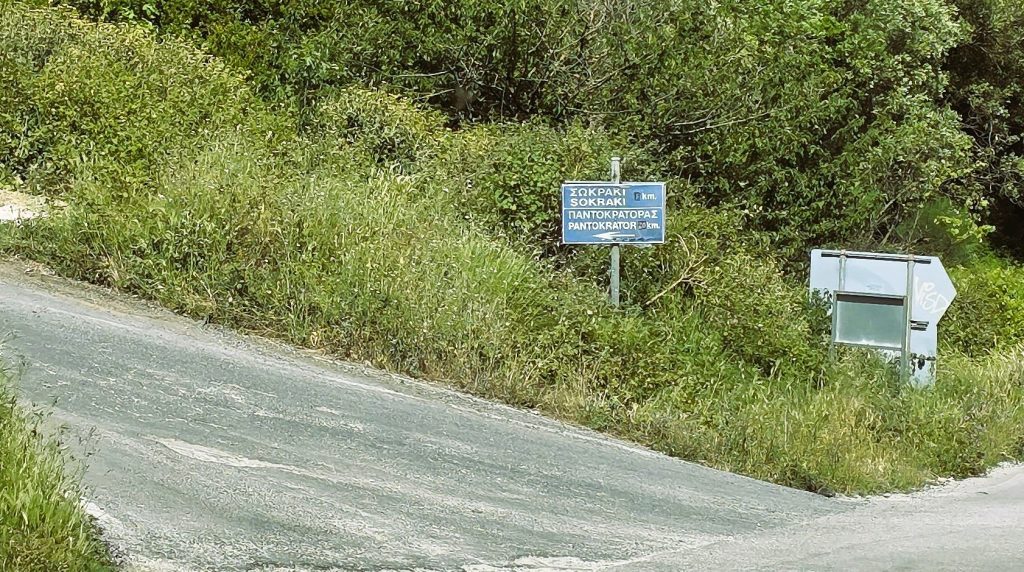
1. Sokraki: A Mountain Village with a Strong Local Character
Set in the hills of northern Corfu, Sokraki is an excellent destination for travellers who want to explore beyond the coastline. Its colourful houses, traditional cafés and small village squares provide a glimpse of rural life away from the island’s busier holiday areas.
The drive towards Sokraki follows winding roads through the green interior, with views opening across the surrounding countryside and, in places, towards the coast. Once there, take time to walk through the settlement, notice its older buildings and stop for a coffee in a traditional kafeneio.
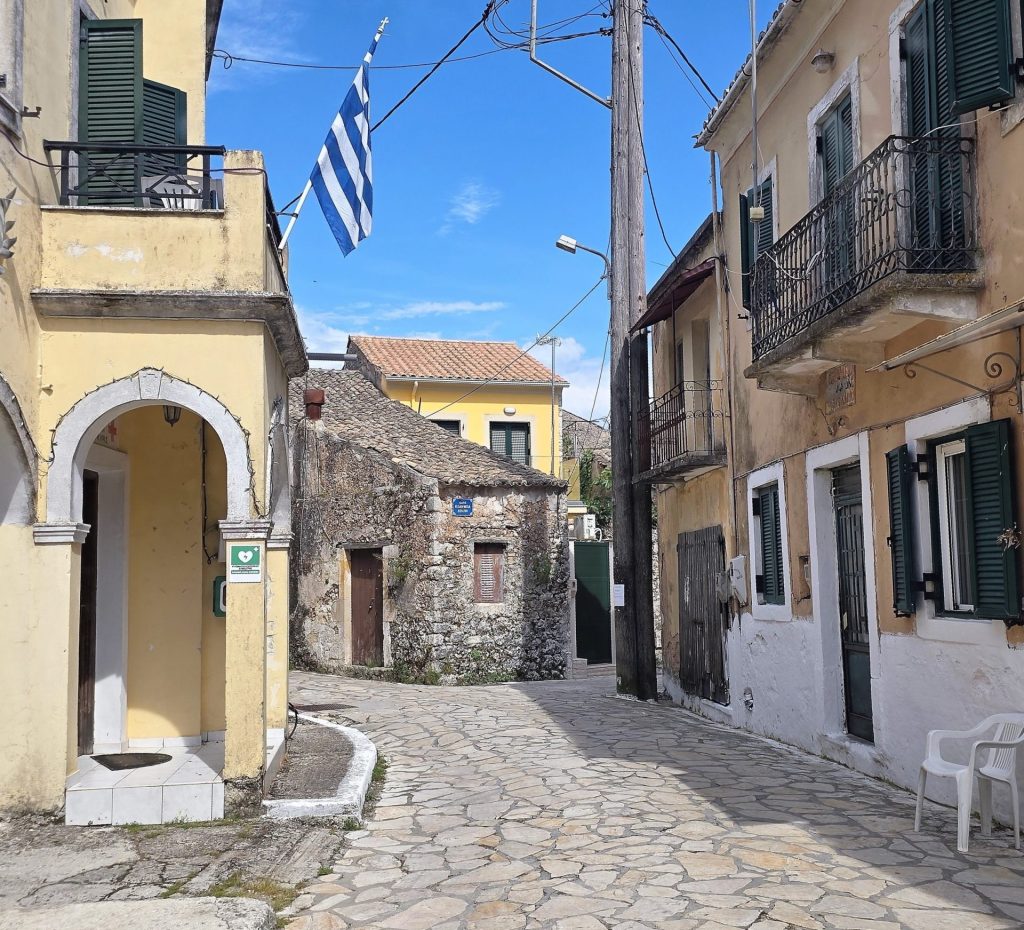
Sokraki, Corfu
For those who enjoy walking, the countryside around neighbouring Ano Korakiana offers opportunities to explore old paths and stone walls. A visit to Sokraki works particularly well as part of a day dedicated to inland Corfu rather than as a quick stop between beaches.
Why visit Sokraki: Traditional architecture, mountain scenery and a slower pace of life.
2. Old Perithia: A Historic Settlement Beneath Mount Pantokrator

On the slopes of Mount Pantokrator lies Old Perithia, a historic settlement whose stone buildings and old churches tell the story of a very different Corfu.
The village developed inland, away from the coast, and gradually lost much of its population as life and employment shifted towards more accessible areas. Today, visitors can walk through its historic lanes, see traditional stone houses and explore the remains of a settlement shaped by centuries of rural life.
Some buildings have been restored, and a small number of traditional tavernas provide places to stop for a meal. The surrounding hills also make the area appealing to walkers who want to combine cultural discovery with countryside scenery.
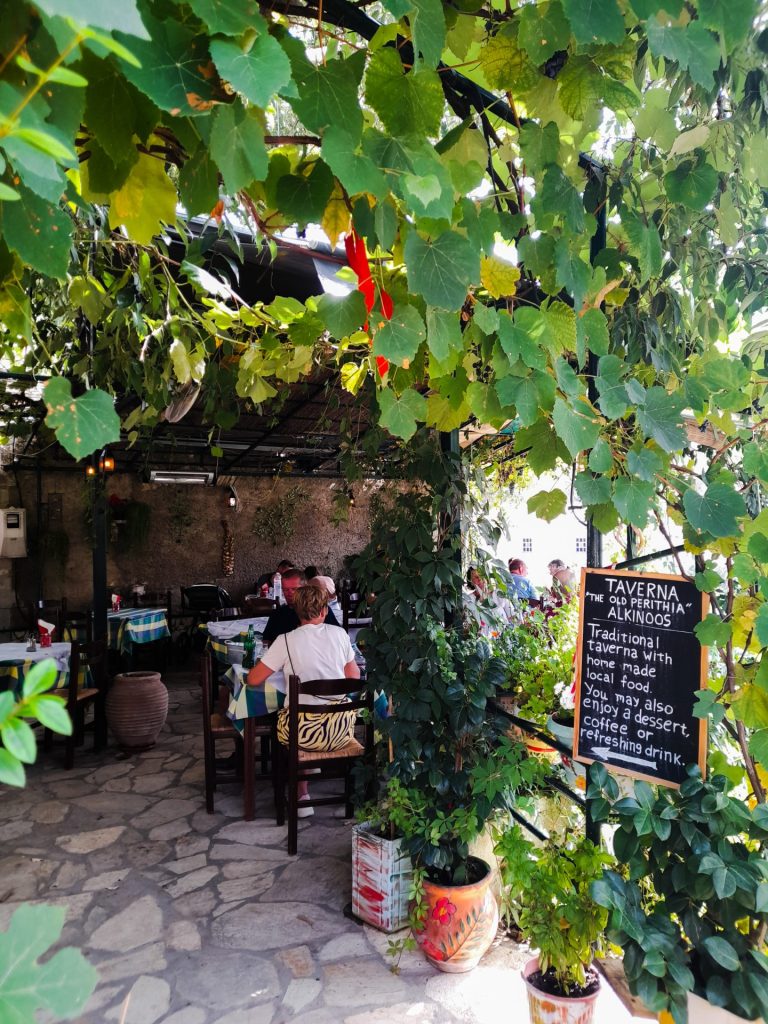
Old Perithia is not entirely undiscovered, but it offers a more historical and atmospheric experience than many of the island’s coastal destinations.
If you want more information you can check this post!
Why visit: Traditional stone architecture, local history and a glimpse into Corfu’s rural past.
3. Antinioti Lagoon: Explore a Quieter Natural Environment
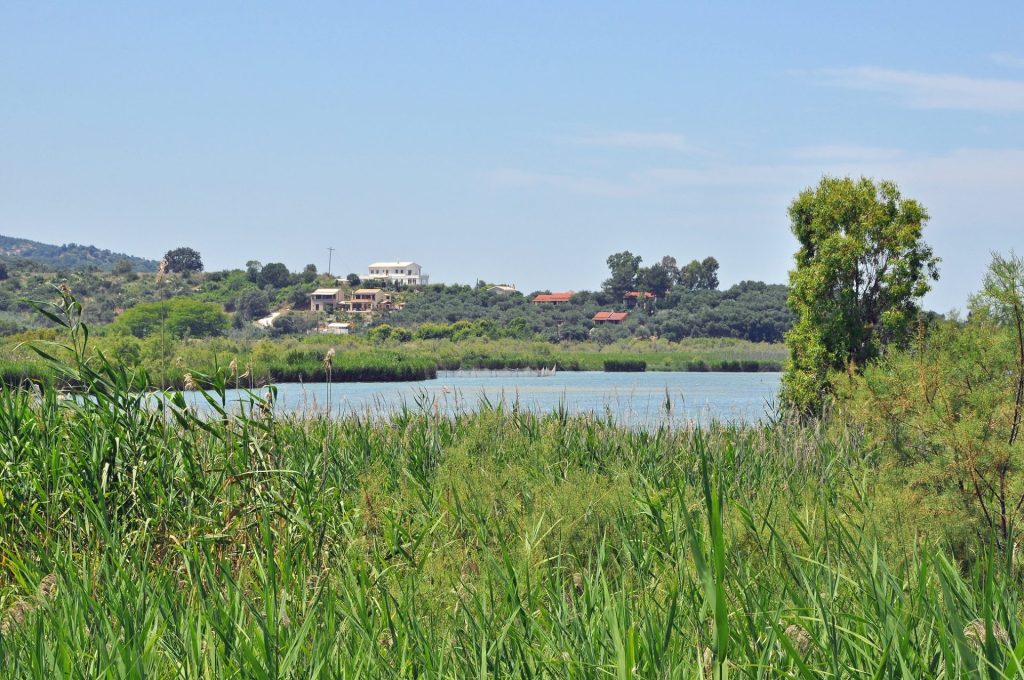
Agios Spyridonas. Corfu, Greece. Lake Antinioti Marc Ryckaert_MJJR_ Own work
In northern Corfu, Antinioti Lagoon offers a different perspective on an island more commonly associated with beaches and olive groves. This wetland environment forms part of Corfu’s natural heritage and supports a variety of plants and wildlife.
The attraction here is not a conventional sightseeing landmark. It is the opportunity to experience a landscape of reeds, water, vegetation and quieter coastal surroundings.
The area is particularly appealing to nature enthusiasts and photographers who enjoy observing landscapes rather than following a packed itinerary. Depending on the season, the wetland can also be interesting for birdwatching.
Because this is a sensitive natural environment, visitors should stick to appropriate paths, avoid disturbing wildlife and respect any access restrictions.
Why visit: Nature observation, birdwatching and a quieter side of northern Corfu. Contact us if you want a private transfer to visit the North of Corfu.
4. Patounis Soap Factory: Discover an Old Corfiot Craft
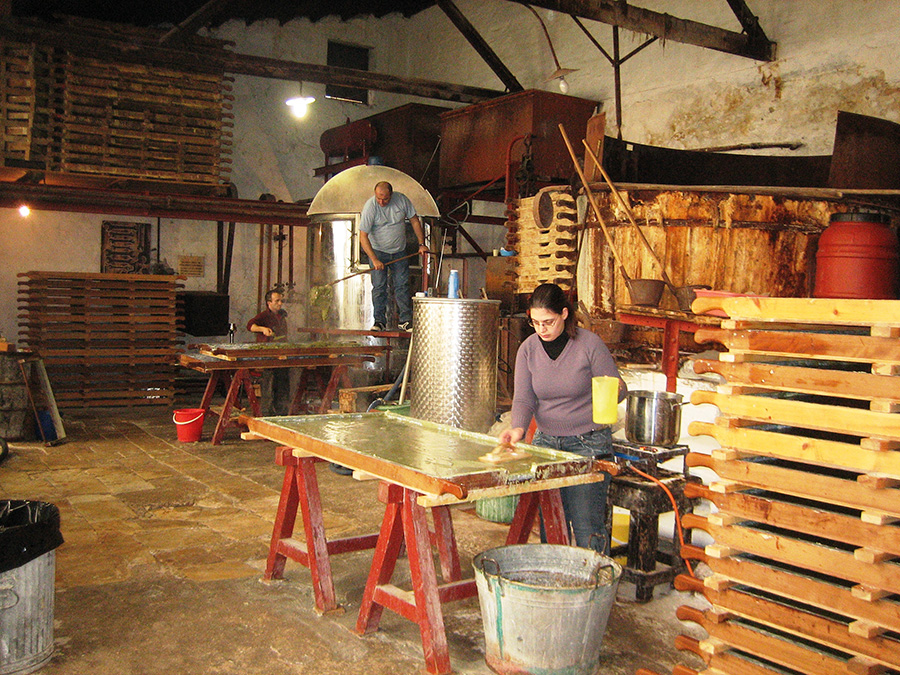
Not every lesser-known destination requires a drive into the countryside. Within Corfu Town, Patounis Soap Factory offers an unusual opportunity to explore the island’s industrial and craft heritage.
The family business dates back to 1891 and is associated with traditional olive-oil soap production. Its continued presence provides a link to the small-scale manufacturing activities that once played a more visible role in local life.
For travellers interested in craftsmanship, local products and the stories behind everyday objects, this is a worthwhile alternative to spending all your time among the town’s main monuments.
Visits should be arranged or confirmed in advance, as access to a working production space may depend on opening hours and operating conditions.
Why visit: Traditional craftsmanship, olive-oil heritage and an overlooked part of Corfu’s urban history.
5. Crab Lake at Poulades: An Unusual Inland Landscape
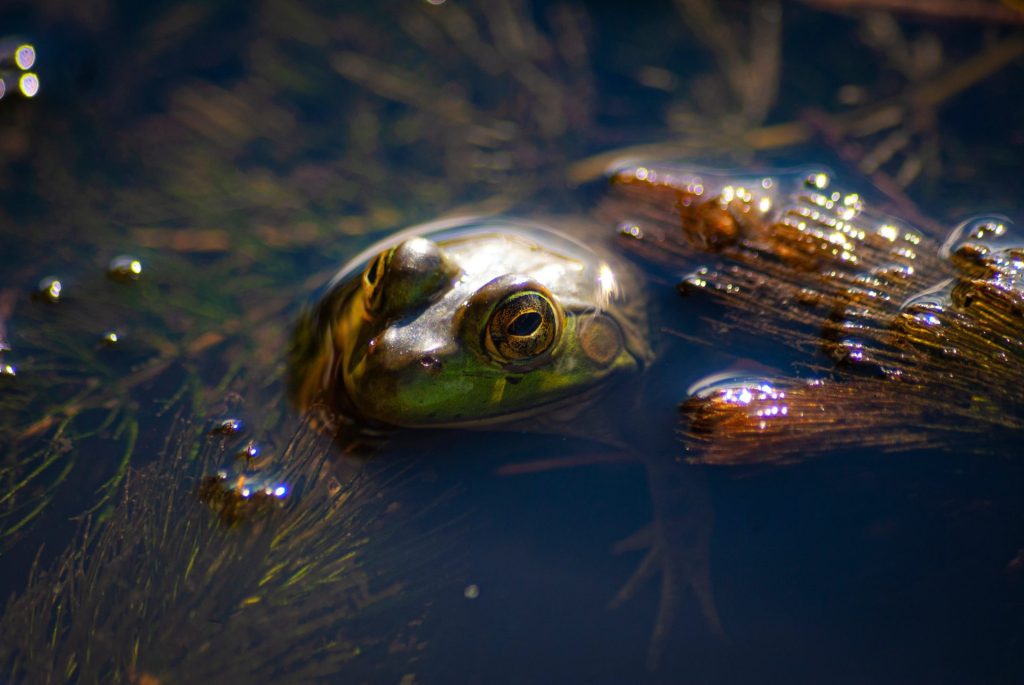
The area known as Crab Lake, or Kavourolimni, near Poulades in northern Corfu, offers an unusual stop for anyone curious about the island’s less familiar natural features.
Rather than dramatic cliffs or a sandy beach, the appeal lies in a small wetland landscape surrounded by vegetation and countryside. It is a reminder that Corfu’s natural character extends beyond its famous coastline.
This is best approached as a short exploratory visit rather than a developed tourist attraction. Facilities and visitor infrastructure may be limited, so research the location and access route before setting out.
As with any wetland, avoid disturbing animals or entering areas where access is restricted.
Why visit: An unconventional natural stop and a chance to explore beyond Corfu’s established sightseeing circuit.
6. Kastelli Cove: A Smaller Coastal Corner Near Paleokastritsa
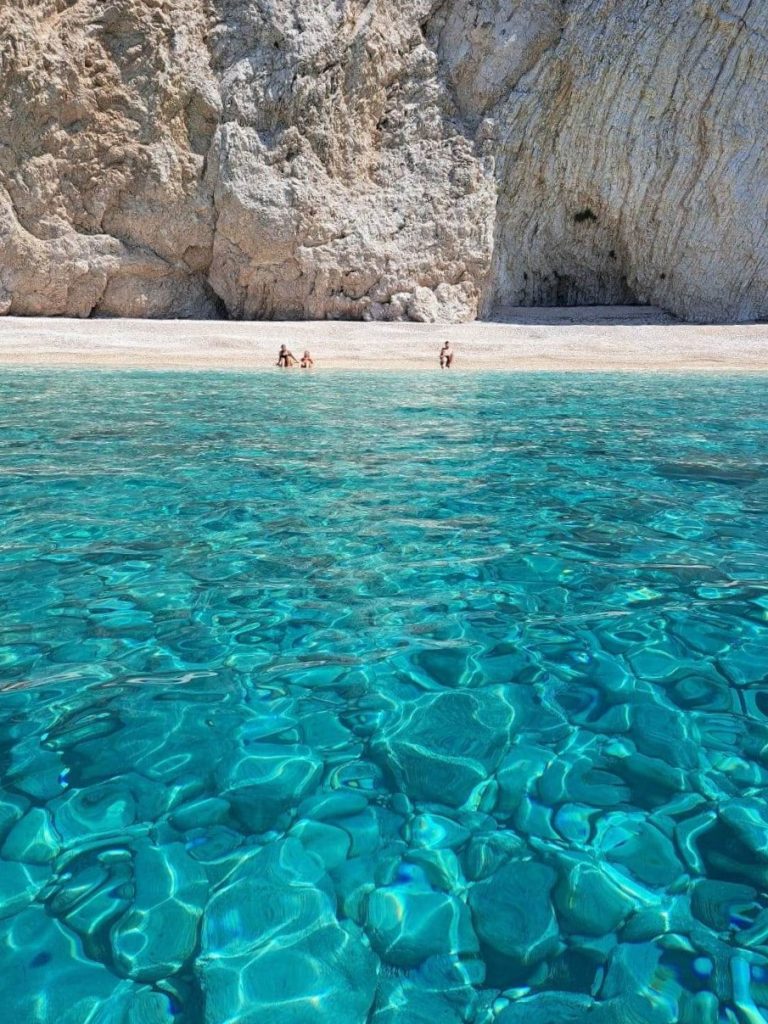
The western coast, around Liapades and Paleokastritsa, is home to smaller coves that often go unnoticed by those focused on the area’s more well-known beaches. Kastelli and Mikro Kastelli are two examples worth exploring if you enjoy venturing beyond the main tourist areas. Consider renting a boat to discover the northern coast, passing the Monastery of the Virgin and sailing towards Porto Timoni instead of heading south.
Its rocky surroundings, vegetation, and crystal-clear waters create a more intimate coastal atmosphere. The area is much less crowded than other popular beaches, and you’ll certainly encounter fewer boats than if you head south. Paradise Beach, Rovinia, and Stelari, among others, are also beautiful, but if you’re looking to relax and enjoy the sea, we recommend this stunning cove.
This is a destination for travellers who enjoy the process of discovering a place as much as the destination itself. Don’t forget to pack everything you need for the day. The beach is deserted, and you’ll need water, snacks, shade, and sunscreen!
Why visit Kastelli Cove: A smaller coastal setting, interesting natural features and a quieter alternative to busier beaches.
7. The British Cemetery: A Quiet Chapter of Corfu’s History
Away from Corfu Town’s main historic attractions, the British Cemetery preserves a less familiar chapter of the island’s past.
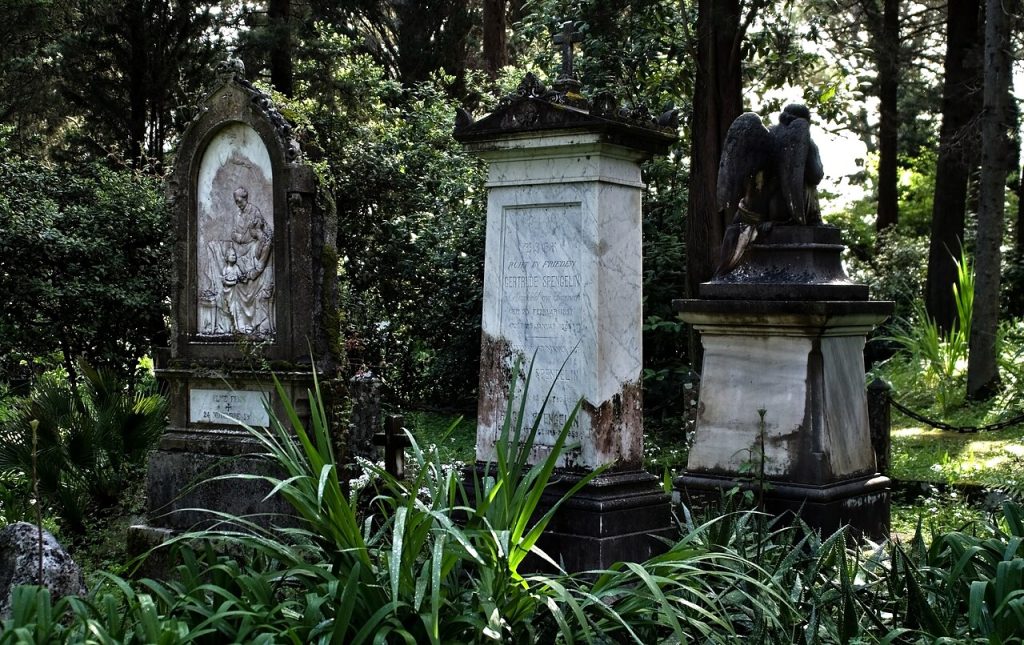
Its history is connected with the period of British administration in the Ionian Islands during the nineteenth century. The graves and surrounding greenery offer a more reflective historical experience than the fortresses and busy squares usually included in a first-time visitor’s itinerary.
The cemetery is of interest to travellers who want to understand how different periods of foreign administration shaped Corfu’s institutions and communities.
As it is a burial ground rather than a conventional attraction, visitors should behave respectfully, follow any posted rules and check access arrangements before arriving.
The British Cemetery is located on Kolokotroni Street in Corfu Town, about 300 meters south of San Rocco Square (Place George Theotoki) and roughly a 15-minute walk from Spianada Square. Click here for more information.
It is worth mentioning the beauty of its well-kept gardens, which even include a small sequoia, and the wild orchids that bloom among the tombs in spring.
8. Chlomos: A Traditional Village in Southern Corfu
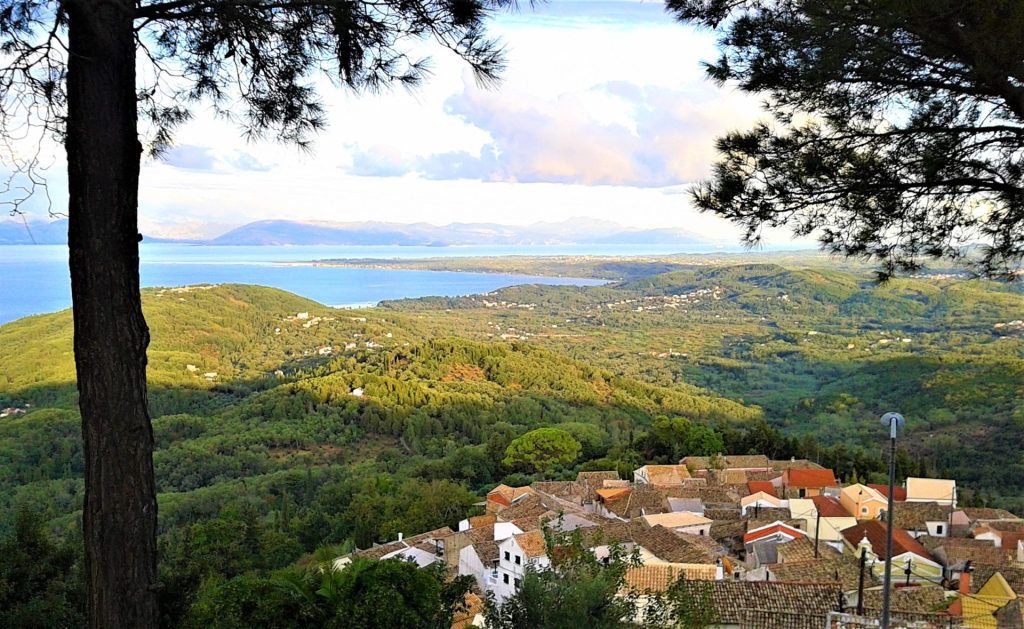
A Corfu hidden gems list must include this beautiful village. Chlomos, in the southeastern part of the island, is a rewarding destination for travellers interested in traditional settlements and a lively rural scenery.
Its elevated position, older houses and narrow lanes create a distinctive village atmosphere. Exploring on foot allows you to appreciate the architecture, small courtyards and views across the surrounding countryside.
Unlike a purpose-built resort, Chlomos is a place to visit slowly. Stop for a coffee, look for local tavernas and take time to notice the everyday details that are easily missed during a hurried sightseeing trip.
You can’t miss Nona’s House – Olive Mill (also known as the D. Demegeli Family Museum), located inside a traditional 300-year-old stone building in the center of the village.
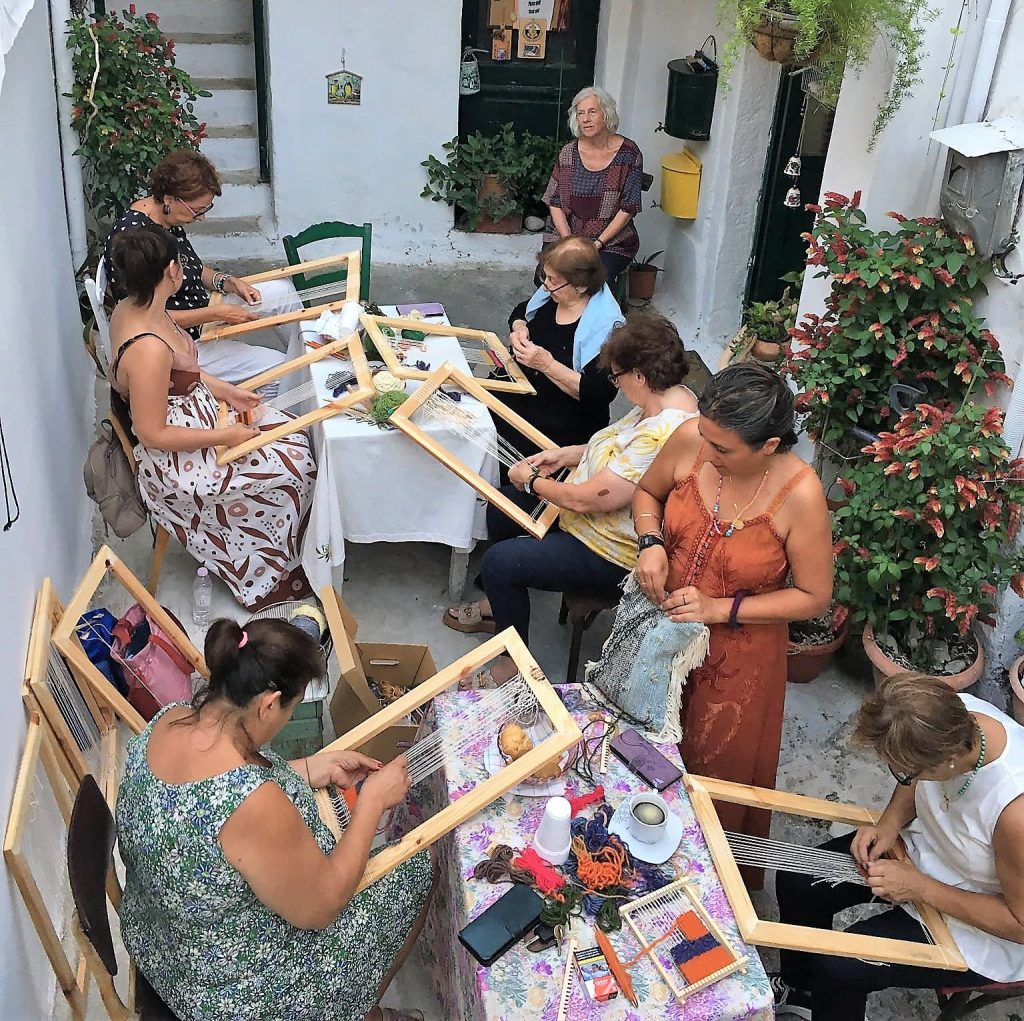
The village can also be combined with a visit to the southern coast, making it a useful addition to a day exploring a less familiar part of Corfu.
Why visit: Traditional architecture, countryside views and a more relaxed village experience.
9. Sinarades Folklore Museum: Understand Traditional Island Life
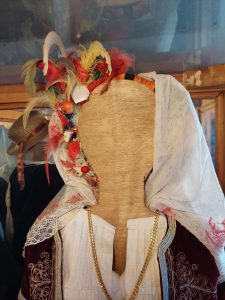
For a closer look at Corfu’s domestic and rural heritage, visit the Folklore Museum of Sinarades, subject to current opening arrangements. The place was founded by the retired schoolteacher Nikos Paktitis, who began studying folklore in the 1950s. The Historical Folklore Society of Corfu (as it was renamed on 24 March 1990).
Initially, Paktitis conducted his research independently, gathering historical and folkloric material. Later, he joined forces with other folklore enthusiasts who shared his interests to found the Society for the History and Folklore of Central Corfu. The Society published a short-lived journal titled *Kerkyraia* (“The Corfiot Woman”) and, two years later, was officially recognized as a cultural association under the same name.
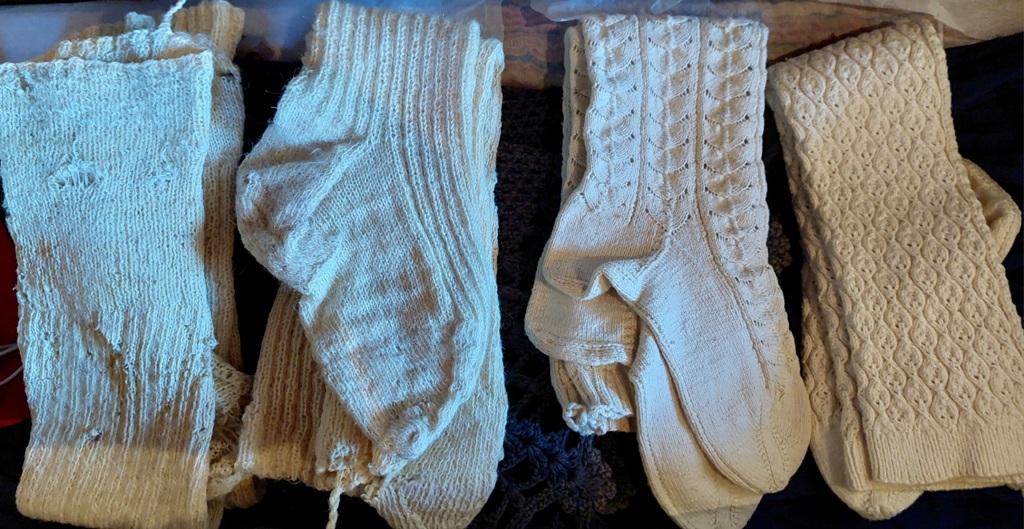
Housed in a traditional building in the village of Sinarades, the museum focuses on aspects of everyday life in earlier generations. Collections of household objects, clothing, tools and other traditional items can help visitors understand how people lived and worked before modern tourism transformed much of the island’s economy.
The experience complements visits to Corfu’s grander historic buildings by focusing on ordinary homes, work and community traditions. You can see their colelction and history here.
Combine the museum with a walk through Sinarades itself to appreciate the village’s older architecture and quieter atmosphere.
Why visit: Local heritage, traditional interiors and insight into everyday Corfiot life.
10. Vidos Island: A Short Escape from the Main Town
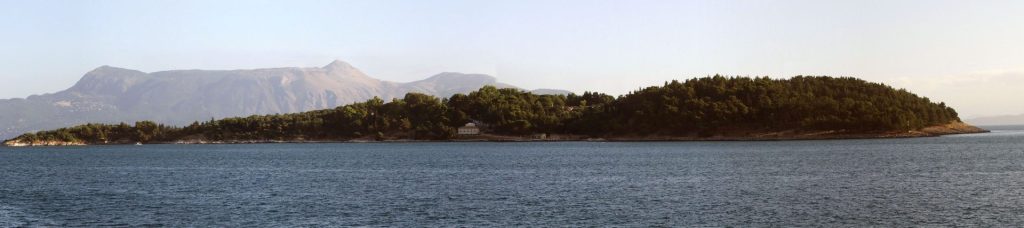
Just off the coast of Corfu Town, Vidos Island offers a peaceful escape from the bustle of the city, without the need for a long journey. Situated at the entrance to the historic harbour, this small, green island is covered with pine and cypress trees and features scenic walking paths, secluded beaches, and lovely views of Corfu’s Old Town.
Accessible by a short boat ride from Spilia port, Vidos is an ideal destination for a relaxing nature excursion. Visitors can wander along its shaded paths, enjoy the tranquil surroundings, and discover its historical heritage, including the Serbian military cemetery, which commemorates Serbian soldiers who died on Corfu during the First World War.
Combining natural beauty with historical significance, Vidos Island is a worthwhile addition to any visit to Corfu Town. Its compact size makes it easy to explore at a leisurely pace before returning to the mainland. As boat services may vary depending on the season, it is advisable to check departure times and access arrangements before setting off.
Why visit: A short island excursion, wooded surroundings and a peaceful break from the urban centre.
When Is the Best Time to Discover Corfu Hidden Gems?
Spring and early autumn are particularly suitable for exploring the countryside, walking through traditional settlements and spending time outdoors without the strongest summer heat.
@nous.corfu
During summer, consider setting out early in the day and allowing time for breaks. Some quieter places can still become busy during peak holiday periods, while others have limited facilities or seasonal opening hours.
For nature-focused visits, remember that wildlife activity and landscape conditions vary throughout the year. Follow local guidance and avoid disturbing sensitive habitats.